
Presentation
What to see in Mataró, a city between the sea and the mountains
If you are wondering what to see in Mataró, the capital of the Maresme offers beaches, Modernista heritage and routes between the sea and the Serralada Litoral.
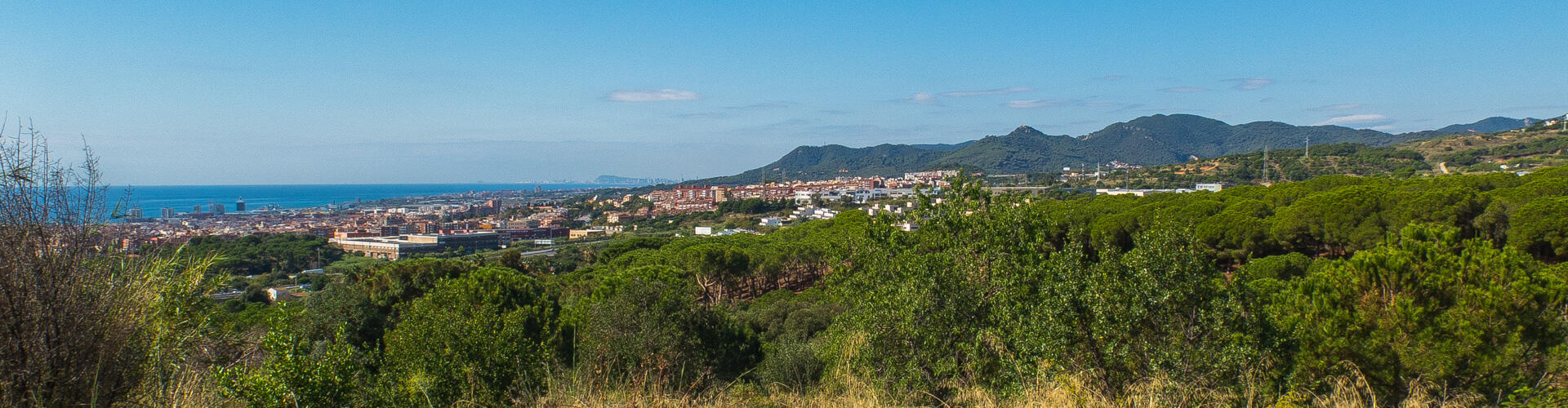
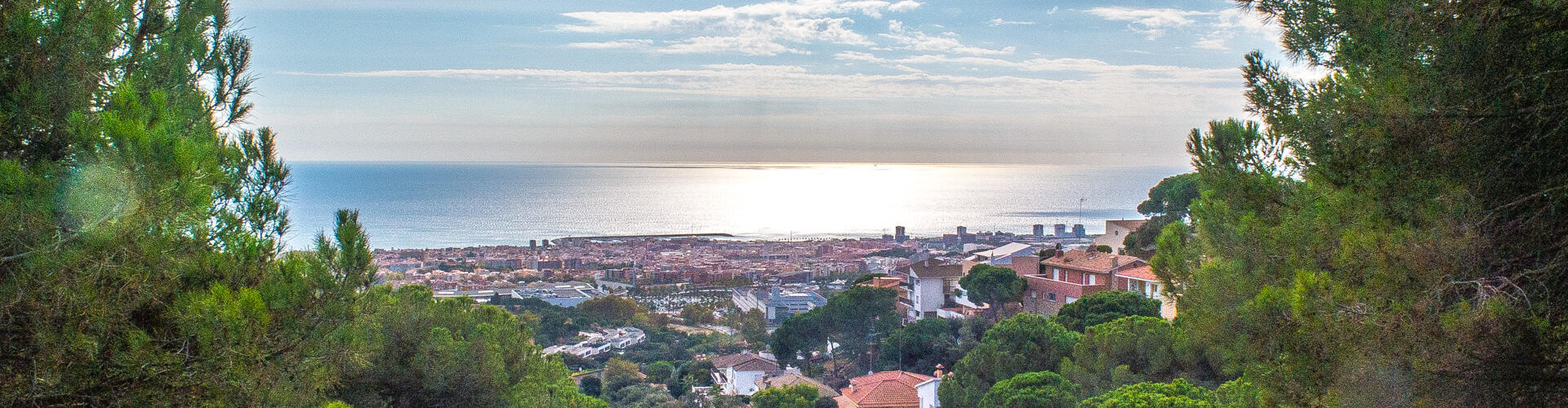
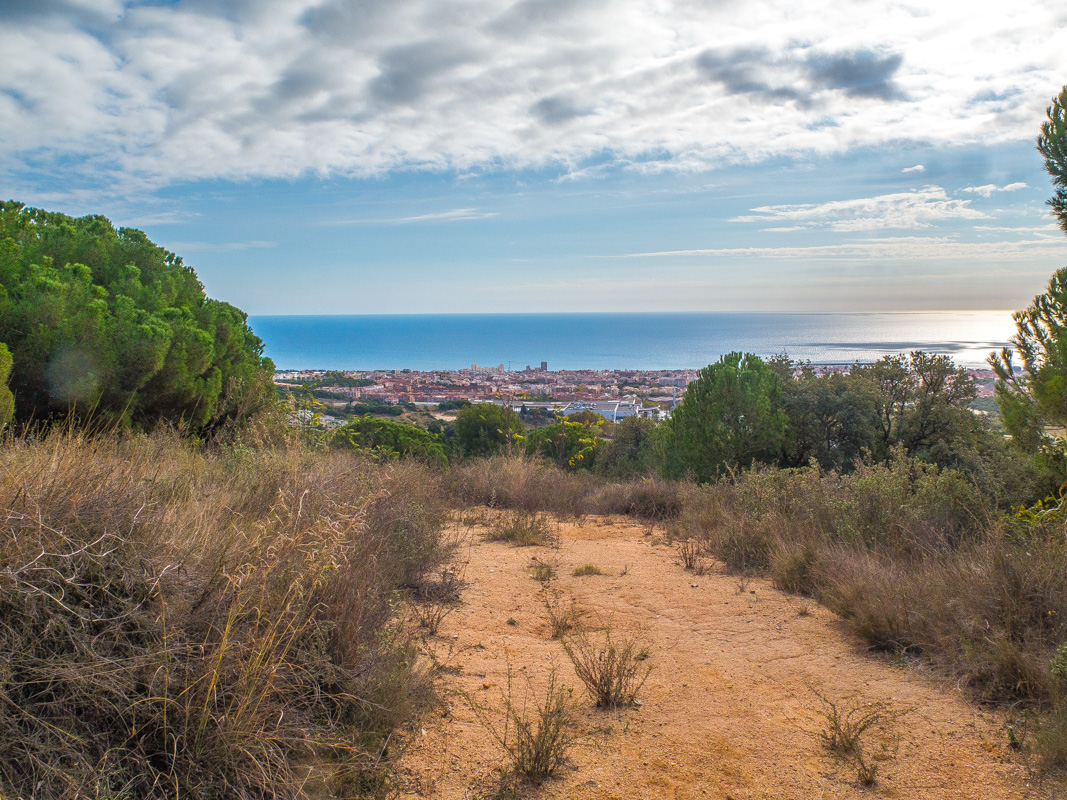
The municipality of Mataró lies between the Serralada Litoral and the Mediterranean Sea, and covers a total area of 22.53 km². It stretches along some 6.5 km of coastline, between the mouth of the Riera d'Argentona and the boundary with Sant Andreu de Llavaneres.
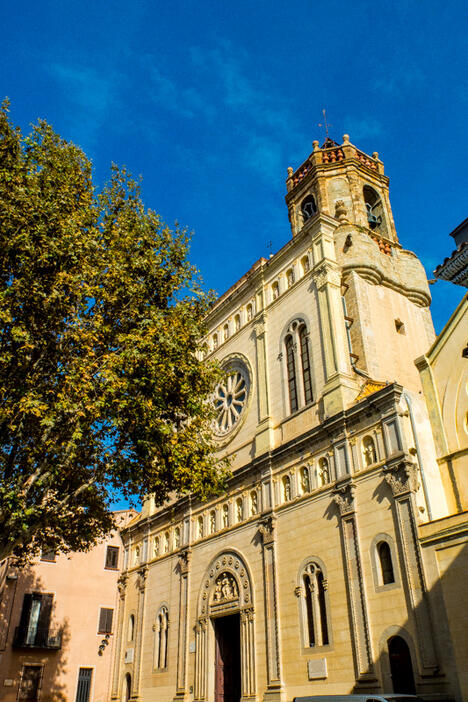
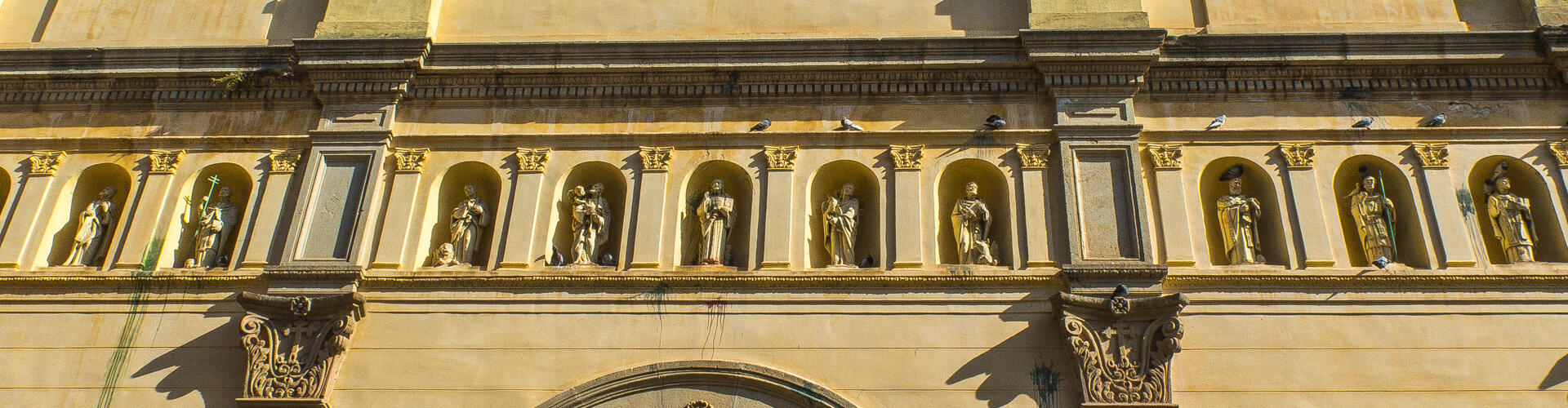
The city of Mataró, capital of the Maresme county, is located in the centre of the county, on the Mediterranean coast, about 30 km north-east of Barcelona. Its origins go back to Roman times, when Iluro was founded. Numerous archaeological remains of the Roman villa have been found, especially in the old town. As the birthplace of several leading architects of the main artistic movements of the late 19th and early 20th centuries, Mataró has a large number of buildings of great artistic and architectural interest.
Mataró enjoys a typical Mediterranean climate. Temperatures and rainfall are shaped by two key factors: the mountains of the Serralada Litoral, which act as a barrier against cold continental winds from the west and north, and the sea, which moderates the temperature. Together they create a mild but humid climate, with less extreme highs and lows.
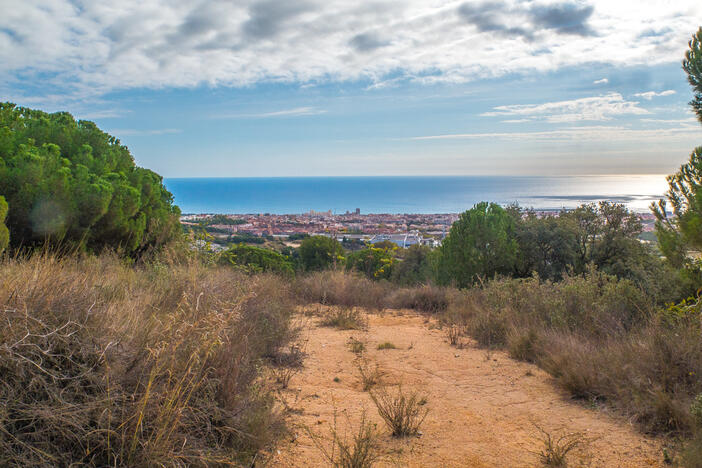
Mataró extends over an enclosed plain. The relief, part of the Serralada Litoral, forms a kind of spur of the Corredor massif that descends on the eastern side almost to the sea, at Turó d'Onofre Arnau (131 m). To the west, by contrast, lies the flat valley formed by the Riera d'Argentona. The landscape around the city is made up mainly of granite rock, which forms siliceous, sandy soils such as sauló. The highest point is Turó de Tarau (434 m), on the boundary with Dosrius. Other notable peaks are Turó d'en Cabanyes (407 m) and Turó d'en Dori (363 m), both on the boundary with Argentona.
The municipality is crossed by many streams and torrents that rise in the headwaters of the range and flow down to the sea. They are dry watercourses with underground flow, but can be dangerous during heavy downpours. Besides the Riera d'Argentona, the most notable are the Riera de Mata and the Riera de Sant Simó, which marks the boundary with the farmland of Les Cinc Sénies. In the past, watercourses such as the Riera de Cirera and the Torrent de Gatassa crossed what is now the city, but they have since been altered by urban development.
The vegetation is typically Mediterranean. Practically all the municipality's woodland lies within the Montnegre i el Corredor Park, managed by the Barcelona Provincial Council's Network of Natural Parks. The original coastal holm oak forests, dominated by the holm oak (Quercus ilex ssp. ilex), can still be found on several mountain slopes, although historically they were replaced in many places by human activity in favour of the stone pine (Pinus pinea). It is also worth mentioning the redoul (Coriaria myrtifolia), which in the past was highly valued as a supply for the town's tanneries. The fauna is typical of Mediterranean forests.
One of the most important habitats around the city is the Alguer de Mataró, which includes some of the largest and best-preserved Posidonia (Posidonia oceanica) seagrass meadows on the Catalan coast; it has been studied since 1997. The key ecological importance of the benthic communities that form around this plant, endemic to the Mediterranean, led to 2,906 ha being declared a protected marine area (Costes del Maresme), included in the Plan of Areas of Natural Interest (PEIN) and the Natura 2000 Network. Seabirds can be seen along the seafront all year round.
From ancient times through the Middle Ages and until the mid-18th century, the local economy was based on growing vines and selling wine, but the arrival of phylloxera at the end of the 19th century greatly reduced it. However, thanks to replanting with American rootstocks, more resistant to disease, wine production remained significant until well into the 20th century. As vineyards declined, irrigated farming grew. Today, despite the loss of farmland to urban development, the municipality still produces a good range of vegetables: tomatoes, ganxet beans, artichokes, floreta peas, potatoes, onions, chard and spinach. Flowers such as carnations and ornamental plants are also grown. Farming is concentrated mainly in some 750 hectares of the Cinc Sénies-Mata-Valldeix agricultural area, which has its own farmers' association and has been recognised by the City Council as “a strategic commitment to the city's future”.
Growing potato exports led to the compulsory designation of origin “Mataró” being introduced in 1932 for this tuber grown in the county and neighbouring areas, from Sant Martí de Provençals to Sant Feliu de Guíxols and some towns in the Vallès, giving rise to the famous “Mataro's Potatoes”, well known and highly prized in British markets.
Do not miss it
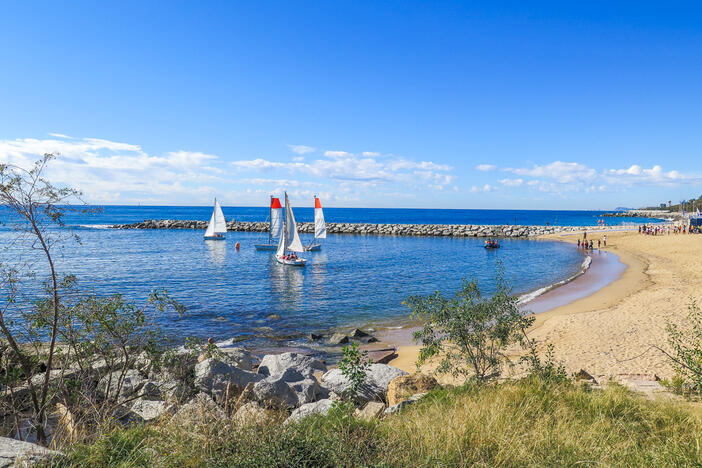
The beaches, awarded the “Q” tourism quality certification.
The Seafront Promenade, running parallel to the beach, with facilities for swimming and water sports in summer.
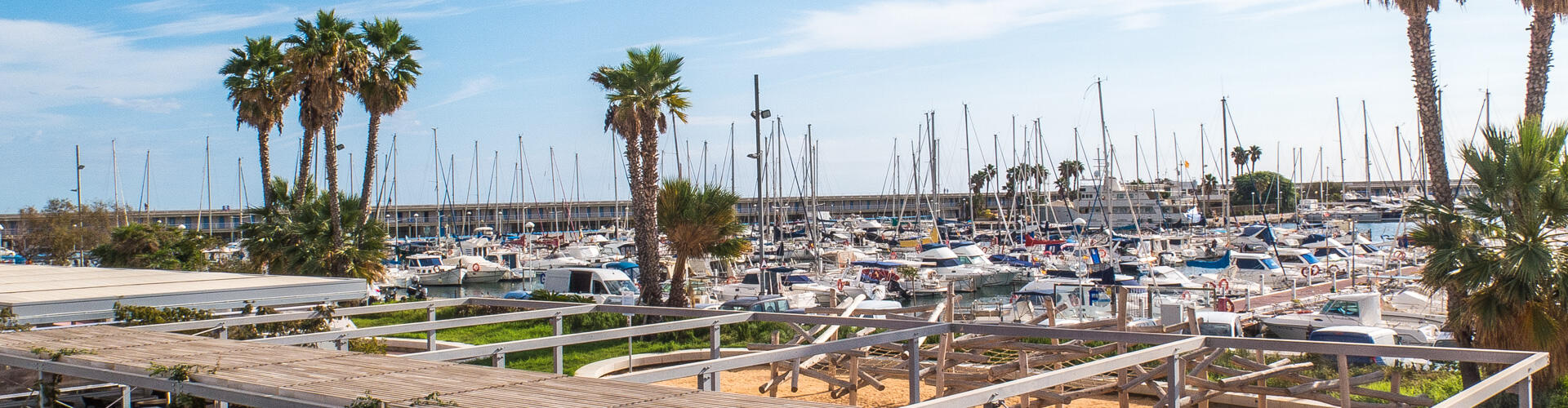
The Marina, considered the most important in the county, with facilities for water and underwater activities and plenty of shops and restaurants, making it a leading shopping and leisure hub.
The Montnegre i el Corredor Park, with interesting spots such as Can Bruguera, the hamlet of Mata or the Parc Forestal, with several viewpoints.
The Nau Gaudí, the first work by the Modernista architect Antoni Gaudí.
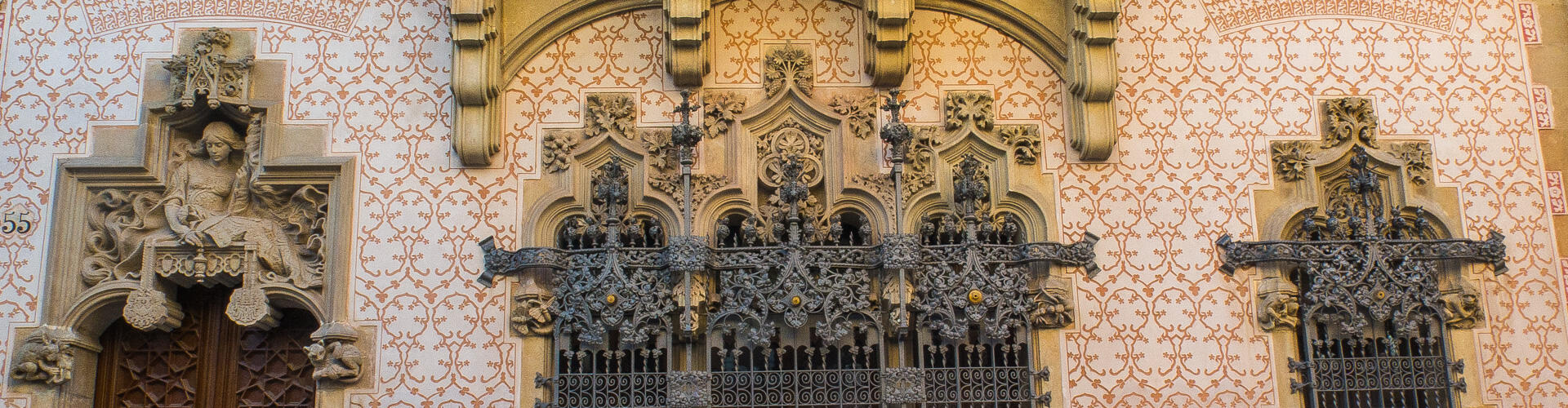
Casa Coll i Regàs is the most emblematic Modernista building in Mataró.
When to go
Mataró is worth discovering all year round, but in summer things get even livelier:
- In June, Mataró welcomes summer with the Festa al Port, with a wide range of activities to enjoy the sea.
- Around 27 July the town celebrates its Festa Major, Les Santes, one of the biggest and best-known in Catalonia, declared a Heritage Festival of National Interest in 2010. Giants, fireworks, concerts, the Nit Boja and human towers (castells), a tradition unique in the world, are some of the highlights.
What to do
If you head to the seafront, you will find beaches with all the facilities you need for a good swim.
Mataró Marina offers water and underwater activities all year round.
If you love the mountains, you can walk, hike or cycle through the Montnegre i el Corredor Park and, if you like adventure, enjoy the Bosc Vertical in the Parc Forestal.
Mataró is the starting point of the Camí del Nord or Camí del Canigó, the GR 83 long-distance footpath linking the capital of the Maresme with Prada de Conflent (Occitanie, France). It is 213 kilometres long and its highlight is the summit of the Canigó, in the eastern Pyrenees.
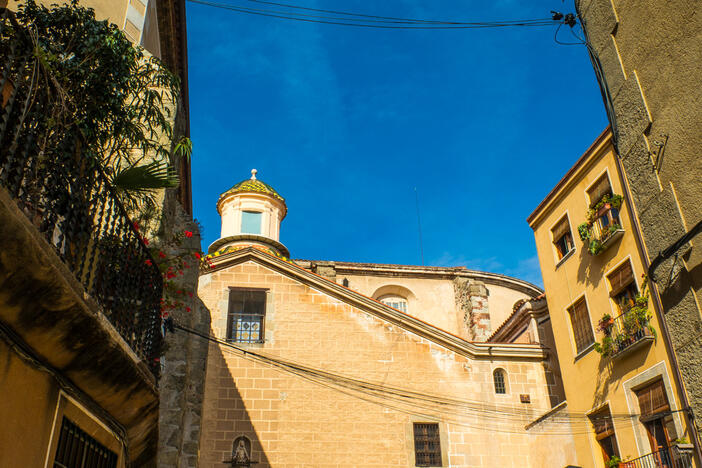
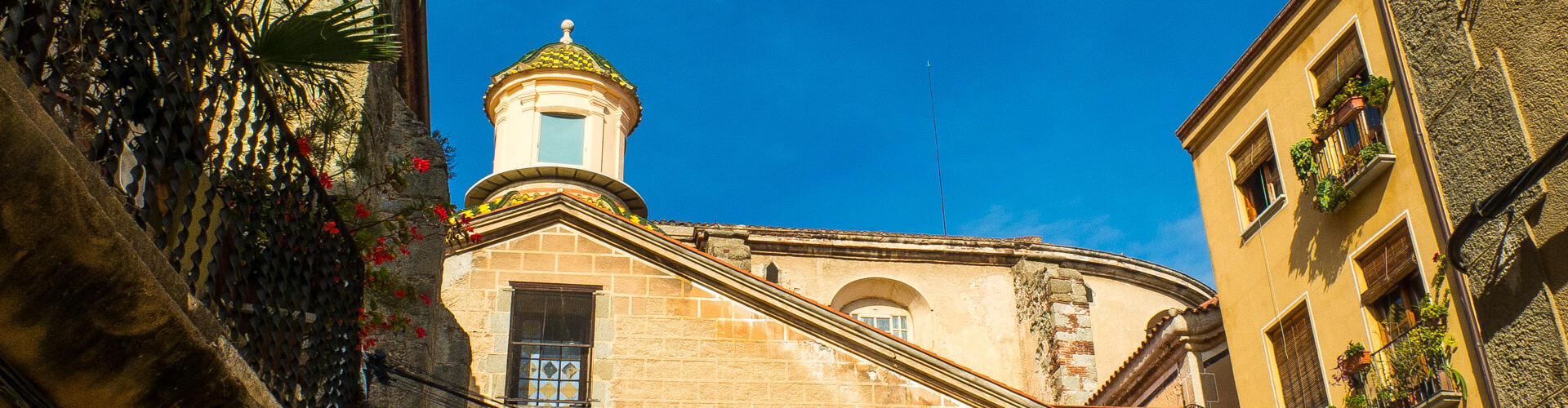
Guided or audio-guided heritage visits: The Roman legacy of the ancient city of Iluro, the beauty of the Baroque Capella dels Dolors in the basilica of Santa Maria or the Nau Gaudí, now home to the Museum of Contemporary Art and its Bassa Collection.
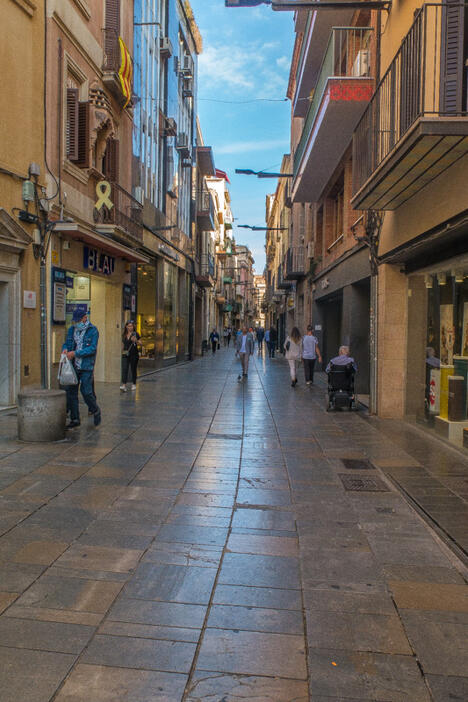
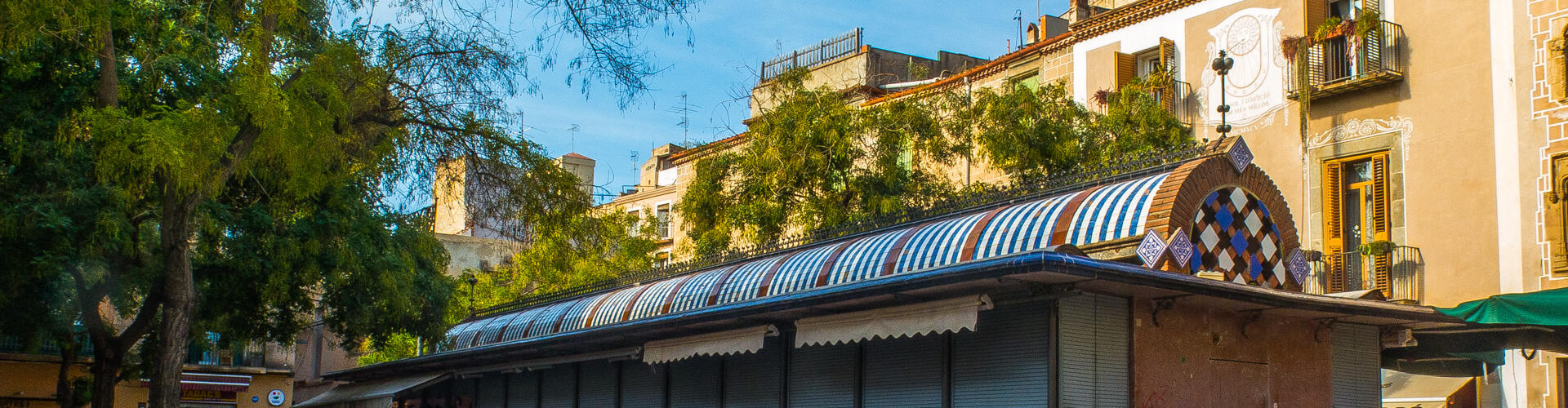
Visit the traditional markets of El Rengle and Plaça de Cuba to enjoy the best local produce.
Did you know that
Over more than two thousand years of history, Mataró has had several names. The oldest was Iluro, given by the Romans. Later, in the 10th century, the name Alarona appears, also written Larona or Alerona. From the 11th century onwards, Civitas fracta begins to appear in documents, together with or separately from Alarona, and later with Mataró. In 1098 the place name Mataró (written Materó) appears for the first time to refer to the tower or castle of Mata, a fortification that stood on Turó d'Onofre Arnau.
The people of Mataró are commonly known by the nickname capgrossos, which derives from the older term caps de bou, recorded as early as the mid-19th century.
Mataró was one of the first towns to have a railway, when the Barcelona–Mataró line, the first railway in Spain, opened in 1848.
Around
Mataró is a well-established city with good connections to the Barcelona metropolitan area and the rest of Catalonia. Its transport network makes it easy to reach the city by public transport or by car.
Beyond Platja de Ponent, you can continue to the neighbouring towns of Sant Andreu de Llavaneres and Cabrera de Mar.
Burriac Castle: Built on a hill 400 m above sea level between Mataró, Argentona and Cabrera de Mar, it is a great viewpoint over the Maresme coast and inland, with the Montnegre and Montseny ranges in the distance.
Neighbouring towns: Cabrera de Mar, Argentona, Dosrius and Sant Andreu de Llavaneres, all towns in the county with a strong character of their own.
Contact telephones
Links of interest
Official website of Parcs de Catalunya - Network of Natural Parks
Official website of the Government of Catalonia - Patrimoni Gencat