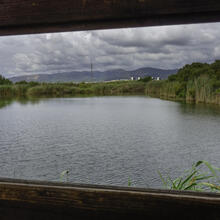
Here is a family-friendly, circular route that can be done either on foot or by bicycle, along paved agricultural paths leading to the basses de Can Dimoni. It is a pleasant walk that makes it easy to...
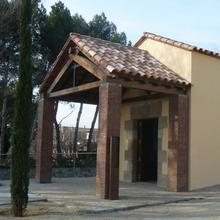
The chapel was built during the end of the 17th or early 18th century, on the old ‘Camino dels Monjos’ (monks’ pass). It consists of a small nave with a barrel vault and a porch hanging over the...
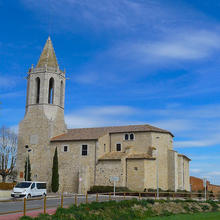
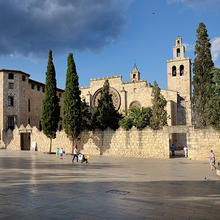
El campanar (segle XVII) ens situa l’església parroquial, dedicada a sant Cugat. Encara que documentat el 1032, el temple actual és de la segona meitat del segle XVI, està fortificat i segueix un...
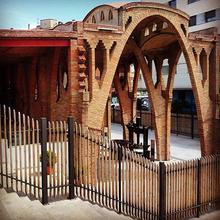
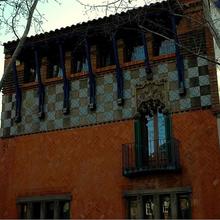
The ‘Bodega Cooperativa’ is a project led by Cèsar Martinell. It was commissioned by the farmers’ union and the rural fund of San Medí -an association that brings together a large part of the local...
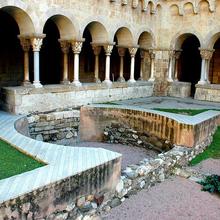
The construction of the monastery of Sant Cugat d’Octavià dates back to the 9th century, when Benedictine monasticism expanded throughout Catalonia under the impetus of the French monarchy. During the...
The Monastery of Sant Cugat stands among the most relevant sites when it comes to medieval art in Catalonia. It is listed as a Cultural Asset of National Interest.
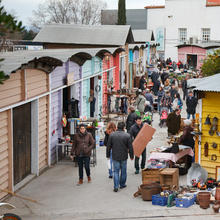
Sant Cugat és pràctica per comprar ja que notareu que les botigues formen part de la vida de la ciutat. Hi trobareu des de modernes botigues de disseny a clàssics establiments ben singulars. http:/...
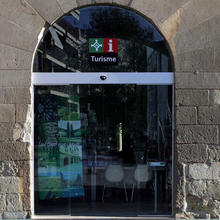
This municipal facility facilitates the outreach of promotional material for the city at large. It also aims to consolidate Sant Cugat as a tourist destination.